It’s strange how invisible most big changes feel when they first happen. Years ago, we thought “data” meant rows, columns, and confusion. Numbers everywhere, meaning nowhere. Now? One good visualization can say more in a minute than a lengthy report could in a week. Dashboards have turned into storyboards—and it’s changing how we see, think, and decide. No surprise that more professionals are diving into the best data science course in Bangalore, led by a team of experienced industry professionals, to gain the confidence and control that comes with understanding this fast-moving world of data visualization.
Data That Talks Back
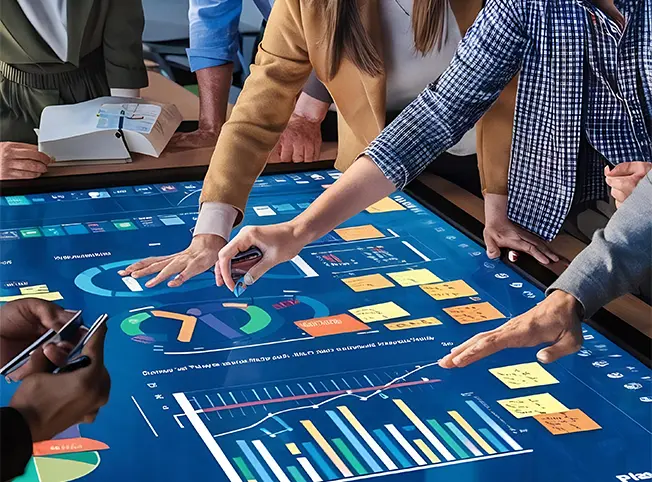
It wasn’t too long ago when monthly reports arrived as giant spreadsheets that no one truly wanted to read. People guessed their way through patterns. Meetings dragged. Decisions delayed. Now, dashboards do the heavy lifting—they talk back in color, shape, and motion.
Imagine working on a product campaign. Instead of checking a stack of graphs or chasing numbers from five teams, you open a single screen where everything updates live. You don’t just see the data—you feel it moving. A dip here, a spike there, and instantly, the story unfolds.
What makes this exciting is that visual tools aren’t only for data scientists anymore. Marketing people, managers, and even HR professionals can now explore data without writing a single line of code. But using a tool is one thing; knowing how to pull its meaning out is another skill entirely. That’s what people learn through the best data science training institute in Bangalore—how to see beyond visuals and think with data.
The Real Story Lies Beneath the Graph
A good visualization is like an iceberg—the real story sits under the surface. Sure, the chart looks clean and colorful, but interpretation gives it life. Numbers don’t speak unless someone asks the right questions.
Let’s say your profit margins improved this quarter. A dashboard shows it perfectly in a growing green bar —why did it happen? Was it a lower production cost? Better marketing timing? Maybe just lucky seasonality? Without context, every insight is only half the truth.
That’s where structured thinking comes into play. The best data science course in Bangalore teaches students how to find patterns and reasons. They use real data from high-stakes fields like finance, healthcare, and logistics. They are aware that visualisation is not about presentation, it is about orientation as they excavate. It guides strategy, budget, and innovation if you know how to listen.
And here’s the thing—communication matters more than technical mastery. You could build the most brilliant dashboard, but if stakeholders can’t understand it, the effort dies right there. That’s why top learners practice how to “translate” visuals into human stories. The best data science training institute in Bangalore often insists: data must be seen, understood, and felt.
The Speed of Real-Time Thinking
One of the most underrated benefits of visualization is speed. There’s something powerful about knowing, not next week, not tomorrow, but right now. Businesses today run on that rhythm.
One of the most exciting aspects of data visualization is its real-time nature. Imagine an e-commerce brand tracking customer drop-off rates during a sale. Instead of waiting for post-sale reports, real-time analytics tools show an immediate slowdown in a specific region. The marketing team can then adjust the offers instantly, saving thousands of lost clicks. This isn’t just technology; it’s a dynamic, engaging process powered by insight, making you feel efficient and effective in your decision-making.
And yet, the human touch never fades. Data alone doesn’t make decisions—people do. The best analysts take those visuals and turn them into experiments. They ask: Why is this trend happening? Should we respond or wait? That’s instinct mixed with analysis. This reflex doesn’t come from software; it comes from learning, exploring, and thinking critically—the very skills honed at the best data science training institute in Bangalore. It’s a reminder that in the world of data, your intuition is not just important, it’s irreplaceable, making you feel valued and integral to the process.
The Next Phase: Data Meets Intuition
We are entering an interesting period in which technology and human intuition are beginning to collaborate rather than conflict. Dashboards nowadays are not only used to display data but also to analyse it, predict, and issue alerts. Using AI can identify unusual trends or predict the emergence of additional ones based on historical data.
Even the most innovative models lack feelings and good judgment. They can say what may occur, but they do not know whether it matters. Human beings put a different angle on things. An increasing measure, say, may appear fantastic until you discover it is merely hype in the short term and not actual growth. A great analyst can detect even that.
This balance—automation supported by intuition—is what makes the future exciting. Professionals who train through the best data science course in Bangalore develop that exact mindset. They learn to work with the machine, not against it. Machines handle the mass; humans handle the meaning.
And in truth, that’s the significant shift happening quietly around us. We’re moving from just collecting data to genuinely communicating with it.
Visualization as a Language
Think of visualization as a language we’re only beginning to master. Some people speak it fluently, others are still learning, but once you understand its rhythm, it’s addictive. You start seeing patterns everywhere—social media metrics, budget graphs, even personal finance apps. Everything turns into a signal worth interpreting.
Great visualization designers often think like filmmakers. They control focus, pacing, and emotion. A dashboard isn’t a static thing; it’s a narrative with flow. That’s why much modern data education is about creativity, not just learning to use tools. The best data science training institute in Bangalore combines visual thinking and problem-solving so that students don’t just memorise steps; they create experiences.
Sometimes, the simplest graph is the most powerful. A clean line chart showing user retention over time can reveal the health of an entire product’s journey. And once you start spotting those clues, you begin to understand how visual thinking makes complex decisions easier and faster.
A Thought to End With
The fascinating part about today’s visualization tools isn’t that they exist—it’s how human they feel when used right. Data no longer sits cold in a spreadsheet. It moves, surprises, and reacts. And at every moment, it reflects human behavior.
It’s no longer optional for professionals who want to stay relevant to learn how to make sense of data that moves quickly. The best data science course in Bangalore isn’t just about software or theory; it’s also about giving you the confidence to look at a dashboard and see how everything fits together.
The line between data and story is getting blurrier, and the people who can connect the two will come up with the following big ideas. The tools may help, but it’s always up to people to decide where the story goes.