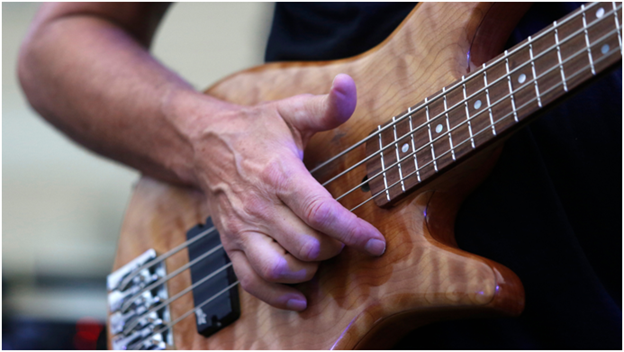
Bassists are the backbone of nearly every musical genre. From subtle groove to thunderous presence, the bass guitar holds it all together—bridging rhythm and melody with power and precision. Whether you’re just picking up the instrument or you’ve been playing for years, exploring different genres is one of the most effective ways to become a versatile and well-rounded player.
Each genre brings its own unique challenges and techniques. Diving into unfamiliar styles not only sharpens your skills but also expands your musical vocabulary and creativity. Here are six music genres every bassist should explore, along with why they matter and what they can teach you.
1. Funk – The Art of the Groove
If there’s one genre that puts bass front and center, it’s funk. Born from the soulful rhythms of the ’60s and ’70s, funk turned the bassline into the driving force of the song. With artists like James Brown, Parliament-Funkadelic, and Sly and the Family Stone, funk created iconic lines that were rhythmic, melodic, and impossible not to move to.
Why It Matters:
Funk teaches rhythmic precision, syncopation, and dynamic playing. You’ll learn to play with intention, locking tightly with the drummer and emphasizing the pocket.
Key Technique:
Slap bass and pop techniques—alongside muted ghost notes—help you develop both finesse and punch in your tone.
2. Jazz – Mastering Harmony and Improvisation
Jazz is the genre of musical freedom, but with that freedom comes a deep understanding of music theory and harmony. Jazz bassists play a vital role in walking basslines, outlining chord progressions, and providing a foundation for improvisation.
Why It Matters:
Studying jazz challenges you to understand complex chord structures and modes. It trains your ear, your theory skills, and your ability to adapt in real time.
Key Technique:
Walking basslines in 4/4 swing time are essential. You’ll also work with upright bass styles and learn how to improvise on the fly.
3. Reggae – Less Is More
At first glance, reggae may seem simple. The tempo is slow, the changes are minimal—but that’s exactly why it’s so demanding. Reggae teaches you how to make every note count. The bass in reggae is typically the lead melodic instrument, holding long, deep notes that drive the feel of the track.
Why It Matters:
You’ll learn restraint, feel, and tone control. Reggae is about locking into a groove and riding it, with subtle variations that keep the music alive.
Key Technique:
Focus on playing behind the beat with a warm, deep tone. Muting and right-hand control are essential here.
4. Rock – Raw Power and Stage Presence
Rock music gives bassists room to be loud, aggressive, and bold. Whether you’re emulating the heavy low-end of Black Sabbath or the melodic counterpoint of Paul McCartney, rock pushes you to develop endurance, tone shaping, and tight coordination with the band.
Why It Matters:
Rock teaches you to hold down the rhythm with authority while contributing to the song’s energy and attitude.
Key Technique:
Pick playing, distortion effects, and tight synchronization with power chords are common in rock and its subgenres.
5. Latin – Rhythmic Complexity and Musicality
From salsa to bossa nova to Afro-Cuban styles, Latin music is rich with rhythmic diversity. The bass often weaves intricate rhythmic patterns with percussion, dancing between straight and syncopated figures.
Why It Matters:
Learning Latin music improves your sense of time, phrasing, and your ability to navigate unusual time signatures and rhythmic patterns.
Key Technique:
Pay attention to tumbao basslines and offbeat accents. You’ll need to balance technical precision with rhythmic expression.
6. Hip-Hop – The Modern Groove Architect
Hip-hop may rely heavily on digital production, but live bass is playing a bigger role than ever—especially in live performances and sampled grooves. Many hip-hop basslines are minimal but heavy, often rooted in deep sub frequencies.
Why It Matters:
Hip-hop trains you to be a tone sculptor. You’ll learn how to dial in your sound, play tight loops, and keep things locked in for producers or emcees.
Key Technique:
Use octave jumps, repetitive hooks, and sync with electronic beats or programmed drums. Your job is to enhance the vibe and keep the listener moving.
Why Genre Exploration Matters
Limiting yourself to one genre as a bassist can limit your creativity and career potential. Each style teaches a new musical language, new techniques, and new ways to communicate with your bandmates or audience. More importantly, the fusion of genres is where innovation happens. Think of Flea blending punk and funk, or Esperanza Spalding mixing jazz with soul and pop.
When you broaden your musical influences, you make yourself more adaptable—and more employable. Whether you dream of playing in a touring band, producing your own music, or scoring for film and TV, genre versatility will give you the edge.
One of the most effective ways to fast-track this exploration is to earn a bass degree online. A structured curriculum exposes you to various genres, instructors, and playing situations, all from the comfort of your home. You’ll gain practical experience in each style and build the confidence to move fluidly between them.
Every genre is a teacher. From the tight grooves of funk to the improvisational elegance of jazz, expanding your musical range will not only improve your bass playing but shape your identity as a musician. Don’t just play the notes—understand the culture, the rhythm, and the story each genre tells. That’s where the real magic happens.