The Strength of Shared Knowledge
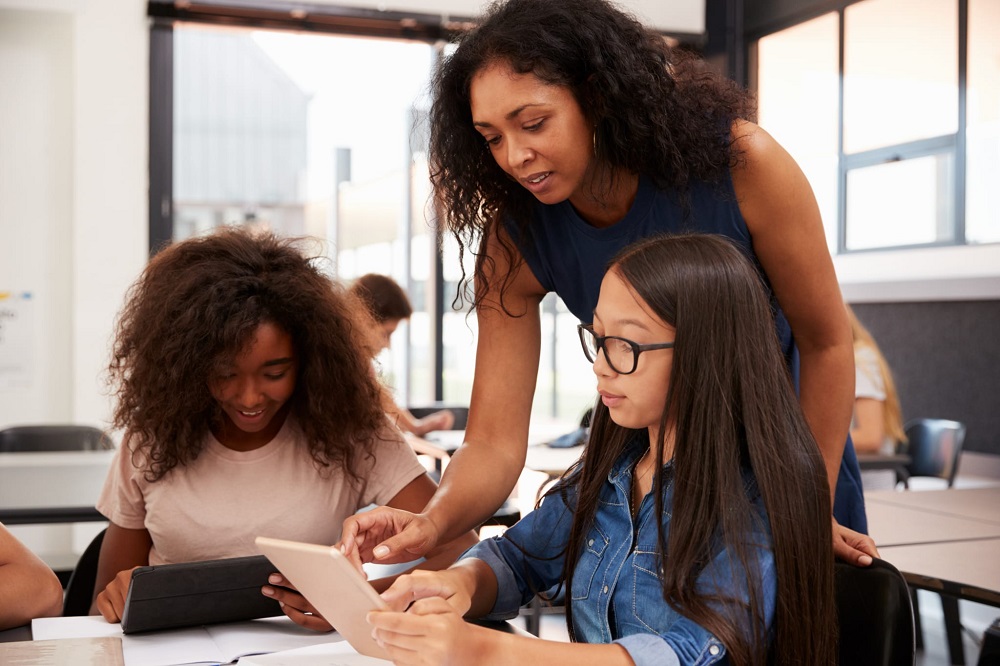
Peer mentoring is hardly recent. It draws on an ancient and natural process of learning by means of interaction. Something strong results when students support other students. They acquire direction, self-assurance, and community.
The classroom occasionally does not accommodate every student’s needs. Teachers rush. Some pupils lag. Others are alone. Peer coaching covers that void. It establishes a network where learning becomes human and personal.
Mentors do not replace instructors. They strengthen them. In straightforward language, they clarify concepts. They tell others how they got past. And they listen—something too rare in today’s packed classrooms.
Development beyond the Lesson Schedule
Academic help is merely the beginning. Peer mentoring helps to define character. It develops leadership, empathy, and tolerance. Mentees get much more than just information. They get models. They discover how to rely on their voice and how to pose questions without embarrassment.
For mentors, the advantages go beyond evaluation. Instructing others helps one better comprehend. It changes the mentor’s function from recipient to giver.
That change gives students power. It helps them to develop ownership in their educational path. And it fosters a culture where assistance from others is expected rather than extra.
Where Peer Mentoring Is Most Effective
High schools, colleges, and after-school programs abound with peer mentoring systems. But structure determines success. The most successful programs have these qualities:
- Specific expectations: Mentors and mentees both understand their duties.
- Training: Before entering, mentors get advice.
- Consistent: Not only once or twice, sessions take place frequently.
- Personnel support: Teachers and counselors monitor and direct the procedure.
- Inclusive culture: Everyone is welcomed irrespective of background or grades.
These components guarantee the experience is not only helpful but also enjoyable. It lasts.
The Answer to a Broader Question.
What Is Peer Mentoring? More than just a study group, it is. It’s a bridge. It links kids who have trouble with those who have followed the same route. It helps to develop resilience. It grows self-worth. And it transforms many times.
For some students, this kind of mentorship can be their first time feeling seen. It could be their first thought that they fit in a classroom. Often, that conviction becomes the pivot.
Organizations like the Williams Franklin Foundation understand this power. Through scholarships and mentoring, they support underrepresented children and invest in educational fairness since shared experience results in shared achievement.
A More Direct Path Ahead
Education does not have to be isolating. Peer mentoring turns into a relationship. One pupil extends a hand. One other reaches back. And both of them rise.
Peer mentorship provides something unique—compassion in action—in a society driven by rivalry. And that’s how knowledge develops roots.