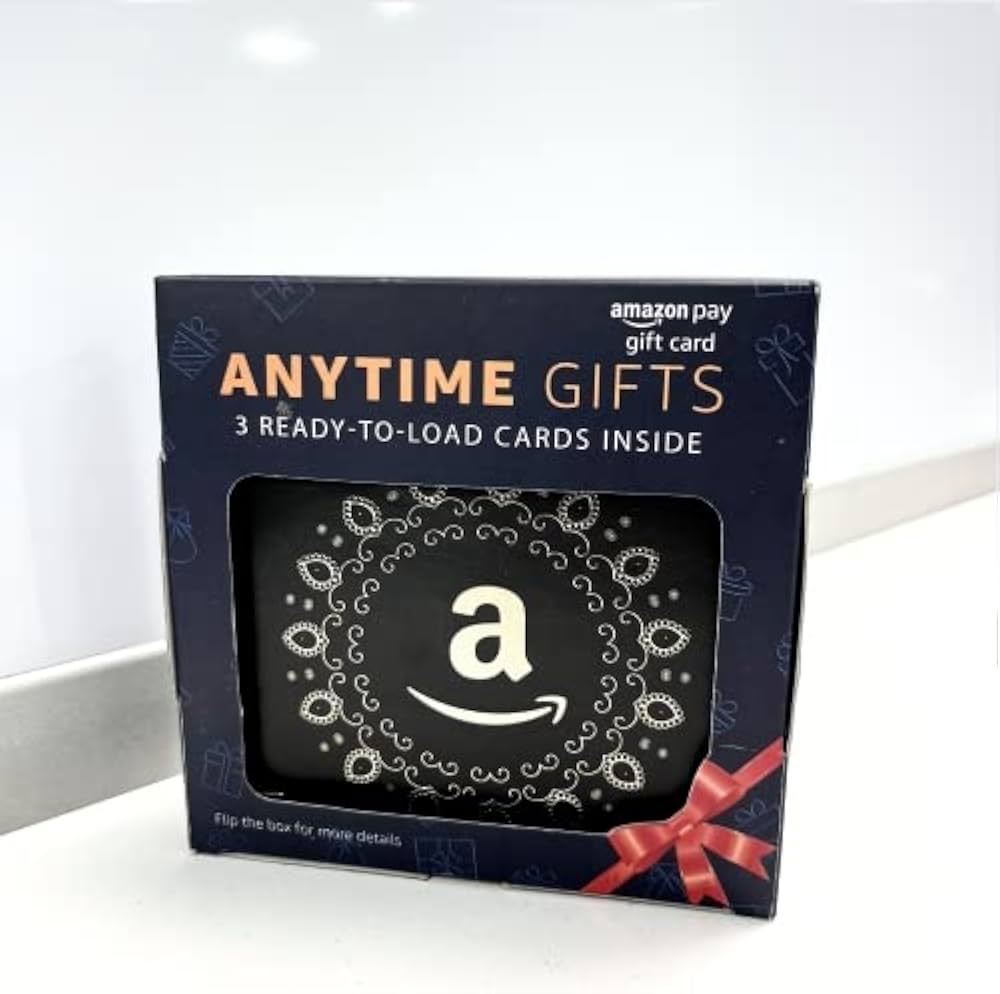
Combining multiple gift cards for single purchase transactions requires careful navigation of merchant policies and payment system limitations. Many shoppers accumulate gift cards through gifts, rewards programs, or promotional offers, creating opportunities to consolidate these smaller amounts toward significant purchases. The feasibility of combining cards depends mainly on individual retailer policies and the technical capabilities of their payment processing systems, which vary considerably across different merchants and platforms. Before combining cards for major purchases, cardholders should verify their available balances through official channels. Using giftcardmall/mygift check balance ensures accurate balance information before planning purchase strategies, preventing checkout complications that arise from insufficient or unknown card values.
Merchant policies vary
Different retailers implement distinct approaches to multiple gift card usage during a single transaction. Some merchants accept numerous cards up to specific limits, while others restrict customers to one or two cards per purchase. These policies often reflect technical limitations in point-of-sale systems rather than deliberate restrictions on customer convenience.
High-end retailers frequently accommodate multiple gift card combinations to facilitate larger purchases, recognising that customers may have received several cards as gifts for significant occasions. Electronics stores, furniture retailers, and luxury goods merchants typically offer more flexible policies than smaller speciality shops with simpler payment systems.
- Online retailers often allow more gift cards per transaction than physical stores due to advanced e-commerce platforms
- Department stores commonly accept 3-5 gift cards per transaction, depending on their payment system capabilities
- Grocery stores typically limit gift card usage to 1-2 cards per transaction due to fraud prevention measures
- Restaurant chains vary widely, with some accepting multiple cards while others process only one at a time
- Speciality retailers may have unique policies based on their specific customer base and average transaction values
Payment system limitations
Technical constraints within payment processing infrastructure create practical boundaries for gift card combinations. Older point-of-sale systems may lack the programming to process multiple gift cards efficiently, leading to transaction errors or system freezes during checkout. These limitations often force merchants to establish conservative policies regarding multiple card usage. Modern payment processors generally handle multiple gift cards more effectively, but integration challenges persist when retailers use legacy systems or custom payment solutions. The sequence of card processing can also affect transaction success, as some systems require manual intervention when multiple payment methods are involved.
Strategic shopping methods
- Contact customer service before major purchases to confirm gift card policies and limits
- Plan purchases during less busy periods when staff can provide additional assistance with multiple cards
- Separate large purchases into multiple smaller transactions if necessary to accommodate card limits
- Combine gift cards with other payment methods to reach desired purchase amounts
- Consider purchasing store gift cards with existing cards to consolidate balances when policies permit
Transaction processing order
The sequence of gift card applications during checkout affects transaction success and remaining balances. Most systems process cards in the order they are entered, applying the full available balance from each card before moving to the next. This sequential processing helps prevent partial card usage complications but may leave small remaining balances on the final card. Some retailers allow customers to specify the exact amounts to charge each card, providing greater control over balance distribution. This flexibility proves particularly valuable when customers want to preserve specific amounts on certain cards for future use or when attempting to zero out multiple cards simultaneously.